
Smartphone Security: How to Protect Your Apps, WhatsApp & Accounts
Your smartphone is a treasure trove of personal data. Learn essential steps to protect your apps, messaging platforms like WhatsApp, and all your online accounts from cyber threats.
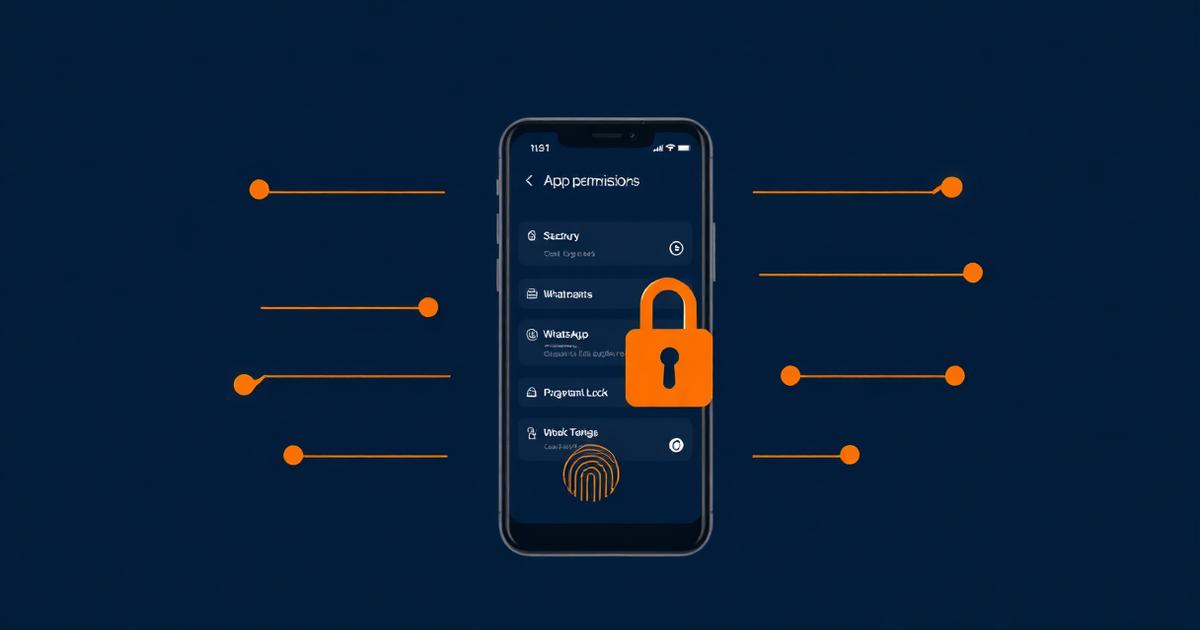
The Imperative of Smartphone Security
In our increasingly digital world, smartphones have become indispensable tools for communication, work, and personal life. Consequently, they are prime targets for cyber attackers seeking to access sensitive information. This guide provides essential steps to fortify your smartphone's defenses, ensuring the security of your apps, personal data, and online accounts.
1. Fortifying Your Smartphone's Foundation
Securing your device starts with fundamental practices. These steps create a robust baseline for your phone's overall security:
- Regular Software Updates: Always install operating system (OS) and app updates promptly. These updates frequently include critical security patches that fix vulnerabilities exploited by attackers.
- Strong Authentication: Utilize robust screen lock mechanisms. Opt for complex passcodes, fingerprint authentication, or facial recognition. Avoid simple patterns or easily guessable PINs.
- Device Encryption: Most modern smartphones offer built-in encryption. Ensure this feature is enabled, as it scrambles your data, making it unreadable to unauthorized individuals if your phone is lost or stolen.
- Backup Your Data: Regularly back up your smartphone data to a secure cloud service or external drive. This safeguards your precious memories and important documents against accidental loss, device failure, or cyber-attacks.
2. Safeguarding Your Applications
Apps are gateways to much of your personal information. Managing them securely is paramount:
- Download from Official Stores: Only download apps from official sources like Google Play Store or Apple App Store. Third-party app stores may host malicious applications that can compromise your device.
- Review App Permissions: Before installing an app, carefully examine the permissions it requests. Does a flashlight app really need access to your contacts or location? Grant permissions judiciously.
- Uninstall Unused Apps: Regularly review and uninstall apps you no longer use. These can become security liabilities if unpatched or if they possess excessive permissions.
3. Securing Your WhatsApp and Messaging Apps
Messaging apps are critical for personal and professional communication, making their security crucial:
- Enable Two-Factor Authentication (2FA): For WhatsApp and other messaging apps, enable 2FA with a strong, unique PIN. This adds an extra layer of security, preventing unauthorized access even if your password is compromised.
- Verify Contact Info: Be wary of messages from unknown numbers, even if they appear to be from someone you know. Scammers often impersonate trusted contacts. Always verify the sender's identity through an alternative communication channel if a request seems unusual.
- Beware of Phishing Links: Exercise extreme caution with links sent via messaging apps. Do not click on suspicious links that promise freebies, warn of urgent issues, or lead to unfamiliar websites. These are often phishing attempts designed to steal your credentials or install malware.
- Review Privacy Settings: Adjust your privacy settings to control who can see your profile picture, status, and 'last seen' information. Limiting this visibility can reduce your digital footprint for potential attackers.
4. Protecting Your Online Accounts
Your online accounts, accessible from your smartphone, are frequent targets. Protect them diligently:
- Unique, Strong Passwords: Use a unique, complex password for every online account. A password manager can help you create and store these securely.
- Enable Two-Factor Authentication (2FA): Activate 2FA on all critical online accounts (email, banking, social media). This significantly reduces the risk of unauthorized access.
- Beware of Public Wi-Fi: Avoid accessing sensitive accounts (like banking or email) when connected to unsecure public Wi-Fi networks. Attackers can potentially intercept your data. Use a Virtual Private Network (VPN) for added security if public Wi-Fi is unavoidable.
- Monitor Account Activity: Regularly check bank statements, credit card reports, and app activity for any unusual or unauthorized transactions or logins.
5. What to Do If Your Phone is Lost or Stolen
Even with the best precautions, accidents happen. Prepare for the worst-case scenario:
- Use 'Find My' Features: Familiarize yourself with your phone's built-in tracking features (e.g., Apple's Find My, Google's Find My Device). These allow you to locate, lock, or remotely wipe your device.
- Alert Your Service Provider: Contact your mobile carrier immediately to report the loss or theft and suspend service to prevent unauthorized usage.
- Change Passwords: Immediately change passwords for all critical online accounts accessed from the device.
Conclusion
Smartphone security is an ongoing process, not a one-time task. By enacting these practical steps, you can significantly reduce your vulnerability to cyber threats, safeguarding your personal information and maintaining peace of mind in our interconnected world.