
Phishing & Social Engineering: A Walkthrough to Hardening Your Digital Defenses
Phishing and social engineering exploit human psychology to compromise digital defenses. This article outlines these pervasive threats and provides a multi-layered strategy, combining robust employee training, technical safeguards, and strong policies to harden your organization's cybersecurity posture.
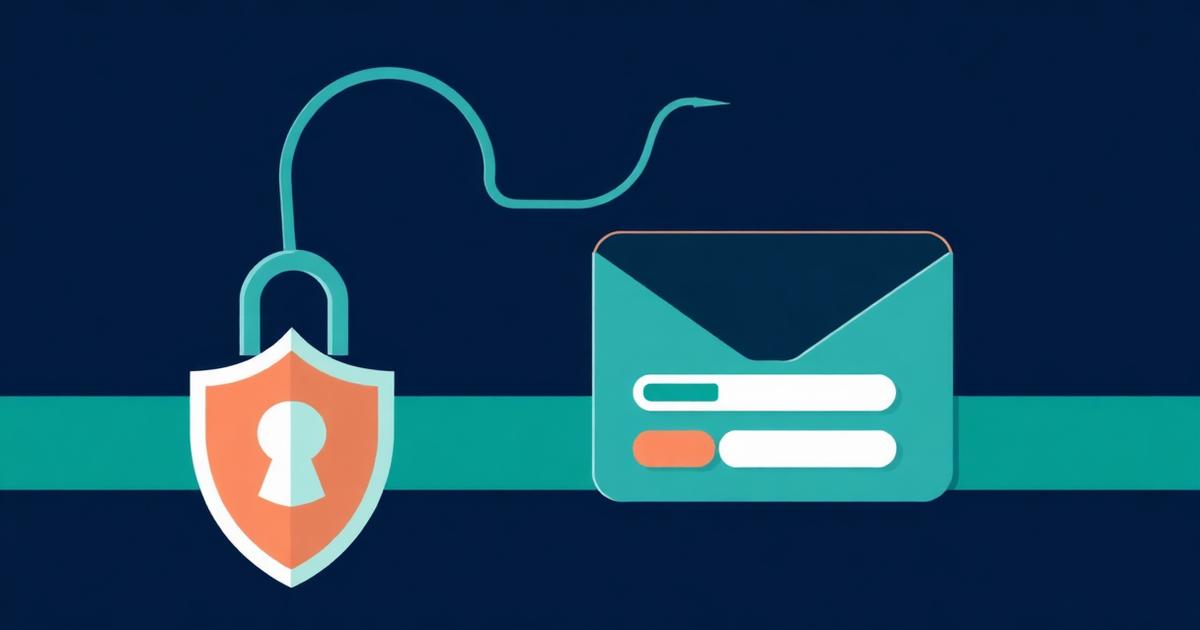
Understanding Phishing and Social Engineering
Phishing and social engineering are two of the most prevalent and effective cyber threats organizations face today. They exploit human psychology rather than technical vulnerabilities directly, making them particularly insidious.
What is Phishing?
Phishing is a type of cyberattack that involves deceiving individuals into revealing sensitive information, such as usernames, passwords, credit card details, or other personal data. Attackers typically masquerade as a trustworthy entity in an electronic communication. Common phishing tactics include:
- Email Phishing: The most common form, where deceptive emails attempt to lure recipients into clicking malicious links or opening infected attachments.
- Spear Phishing: A more targeted approach, focusing on specific individuals or organizations, often with personalized information to increase credibility.
- Whaling: A highly targeted form of spear phishing aimed at senior executives or high-profile individuals within an organization.
- Smishing (SMS Phishing): Phishing attempts conducted via text messages.
- Vishing (Voice Phishing): Phishing carried out over the phone, often impersonating banks or technical support.
What is Social Engineering?
Social engineering is a broader term encompassing a range of manipulative techniques used to trick people into divulging confidential information or performing actions that benefit the attacker. While phishing is a form of social engineering, other common tactics include:
- Pretexting: Creating a fabricated scenario (pretext) to engage a target and extract information, often involving impersonating an authority figure.
- Baiting: Offering something enticing (e.g., free movie download, USB drive) to trick victims into compromising their systems.
- Quid Pro Quo: Offering a service or benefit in exchange for information, like a fake IT support person offering help in exchange for login credentials.
- Tailgating/Piggybacking: Gaining unauthorized access to a restricted area by following an authorized individual.
Why Are These Attacks So Effective?
These attacks leverage human elements such as trust, curiosity, urgency, and fear. Even with advanced technical safeguards, the 'human factor' remains the weakest link. Attackers exploit psychological principles like:
- Authority: Impersonating a boss, IT support, or a known brand.
- Urgency: Creating a sense of immediate need to act (e.g., 'your account will be locked').
- Fear: Threatening negative consequences if action isn't taken.
- Curiosity: Enticing users with intriguing but malicious content.
Hardening Your Digital Defenses: A Multi-Layered Approach
Effective defense against phishing and social engineering requires a combination of technology, policy, and most importantly, user education.
1. Robust Employee Training and Awareness Programs
This is perhaps the most critical defense layer. Regular and engaging training helps employees recognize and report suspicious activity. Key training components should include:
- Recognizing Red Flags: Teaching employees to spot common indicators of phishing (e.g., misspelled words, generic greetings, suspicious links, unusual sender addresses).
- Understanding Social Engineering Tactics: Explaining how attackers manipulate psychological triggers.
- Simulated Phishing Drills: Conducting mock phishing campaigns to assess employee vigilance and provide remedial training.
- Reporting Procedures: Establishing clear and easy-to-use channels for reporting suspicious emails or incidents.
- Consequences and Best Practices: Educating employees on the potential impact of falling victim and reinforcing safe online habits.
2. Implementing Technical Safeguards
While social engineering targets people, technology can significantly reduce the attack surface and mitigate successful attempts.
- Email Filtering and Anti-Spam Solutions: Advanced filters can detect and block malicious emails before they reach employee inboxes.
- Multi-Factor Authentication (MFA): Even if credentials are stolen, MFA acts as a crucial second line of defense, requiring an additional verification step.
- Secure Web Gateways and DNS Filtering: These tools block access to known malicious websites and prevent users from visiting phishing sites.
- Endpoint Detection and Response (EDR): Monitors and responds to threats on devices, even if a user falls victim.
- Data Loss Prevention (DLP): Prevents sensitive information from being exfiltrated, even if an attacker gains access.
- Regular Software Updates and Patching: Minimizes vulnerabilities that attackers could exploit through malware delivered via phishing.
3. Establishing Strong Policies and Procedures
Organizational policies provide a framework for secure behavior.
- Incident Response Plan: A clear plan for how to react if a phishing or social engineering attack is successful, minimizing damage and recovery time.
- Password Policies: Enforcing strong, unique passwords and discouraging reuse.
- Data Handling Policies: Guiding employees on how to handle sensitive information securely.
- Verification Protocols: Requiring out-of-band verification (e.g., a phone call to a known number) for sensitive requests, especially those related to financial transactions or data access.
Conclusion: A Continuous Effort
Hardening digital defenses against phishing and social engineering is not a one-time task but a continuous and evolving process. Attackers constantly refine their tactics, making ongoing training, vigilant technical measures, and adaptable policies essential. By fostering a security-aware culture and implementing integrated defenses, organizations can significantly reduce their risk and protect their valuable assets from these human-centric cyber threats.