
Personal Digital Hygiene (Part 2): Links, Social Media & Everyday Risks
Mastering personal digital hygiene is crucial in today's interconnected world, from scrutinizing suspicious links to navigating social media responsibly and securing your devices. This guide empowers you to safeguard your data and privacy against common cyber threats.
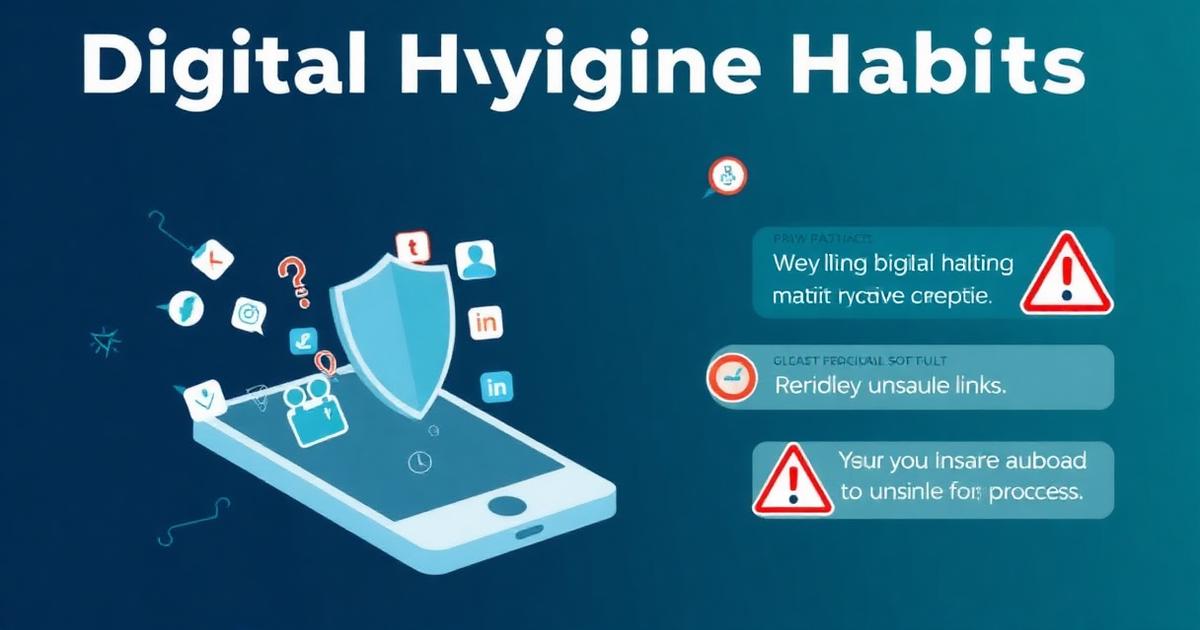
The Perilous Path of Phishing Links
Phishing remains one of the most prevalent and effective cyber threats. Attackers leverage deceptive links to trick individuals into revealing sensitive information or installing malicious software.
Identifying Suspicious Links
To safeguard yourself, cultivate a habit of scrutinizing every link before clicking. Here's how:
- Hover, Don't Click: Many email clients and web browsers display the full URL when you hover your mouse cursor over a link. This allows you to inspect the destination without actually navigating to the site.
- Examine the Domain: Pay close attention to the base domain name (e.g.,
google.cominmail.google.com). Phishing links often use clever variations likeg00gle.com(using a zero instead of an 'o') orgoogle-login.com. - Look for HTTPS: While not a definitive indicator of safety, a legitimate website will almost always use HTTPS (indicated by a padlock icon in your browser's address bar). http:// without the 's' can be a red flag, especially for sites requesting personal data.
- Beware of URL Shorteners: Services like bit.ly or tinyurl.com can obscure the true destination of a link. While legitimate for marketing, they are also frequently abused by attackers. Exercise extreme caution.
- Context is Key: If an unexpected email or message contains a link, especially one urging immediate action, it's highly suspicious. Cross-reference with the sender directly through a known, trusted channel.
Consequences of Clicking Malicious Links
Clicking a malicious link can lead to a variety of severe outcomes:
- Credential Theft: You might be directed to a fake login page designed to steal your usernames and passwords for online accounts.
- Malware Installation: The link could trigger the download and installation of viruses, ransomware, or spyware onto your device.
- Identity Theft: If personal identifiable information (PII) is compromised, it can be used for identity theft.
- Financial Loss: Attackers could gain access to banking or credit card details, leading to unauthorized transactions.
The Double-Edged Sword of Social Media
Social media platforms have become integral to our daily lives, connecting us globally. However, they also present significant cybersecurity and privacy risks if not managed carefully.
Protecting Your Privacy and Security on Social Media
- Review Privacy Settings Regularly: Platforms frequently update their privacy options. Make sure you understand who can see your posts, photos, and personal information.
- Limit Public Information: Avoid sharing sensitive personal details like your full birthdate, home address, phone number, or specific travel plans publicly. Attackers can use this information for social engineering or identity theft.
- Be Skeptical of Friend Requests from Strangers: Verify the identity of unknown requesters. Scammers often create fake profiles to gain access to your network and information.
- Think Before You Post: Once something is online, it's often there forever. Consider the long-term implications of what you share, especially regarding your professional reputation or personal safety.
- Disable Location Sharing: By default, many applications share your location. Turn this off for all but essential apps to prevent inadvertently broadcasting your whereabouts.
- Use Strong, Unique Passwords and Two-Factor Authentication (2FA): Protect your social media accounts with robust passwords and enable 2FA wherever possible to add an extra layer of security.
The Dangers of Oversharing
Oversharing on social media can have serious repercussions:
- Social Engineering Fodder: Personal details posted online can be used by attackers to craft convincing phishing emails or manipulate you into revealing more sensitive information.
- Stalking and Physical Danger: Publicly broadcasting your routine, travel plans, or even real-time location can make you a target for physical stalking or home invasions.
- Reputational Damage: Inappropriate or unprofessional posts can harm your career prospects, relationships, and public image.
Everyday Digital Risks and Best Practices
Beyond links and social media, several everyday digital habits can expose you to risks. Being mindful of these can significantly enhance your personal digital hygiene.
Safeguarding Your Devices and Data
- Keep Software Updated: Regularly update your operating system, web browser, and all applications. Updates often include critical security patches that fix vulnerabilities.
- Use Reputable Antivirus/Anti-Malware Software: Install and maintain active protection on all your devices. Ensure it's configured for regular scans.
- Be Wary of Public Wi-Fi: Untrusted public Wi-Fi networks can be unencrypted, allowing others to snoop on your internet traffic. Avoid conducting sensitive transactions (banking, shopping) on public Wi-Fi unless using a Virtual Private Network (VPN).
- Strong, Unique Passwords for Everything: Never reuse passwords. Use a password manager to generate and store complex, unique passwords for all your online accounts.
- Enable Two-Factor Authentication (2FA) Everywhere Possible: 2FA adds a crucial layer of security, making it much harder for attackers to access your accounts even if they steal your password.
- Regularly Back Up Your Data: In the event of a system failure, ransomware attack, or theft, having recent backups of your important files can be a lifesaver.
- Secure Your Mobile Devices: Use strong PINs, passcodes, or biometric authentication (fingerprint, facial recognition). Enable remote wipe capabilities in case your device is lost or stolen.
The Importance of a Skeptical Mindset
A critical component of strong digital hygiene is cultivating a healthy skepticism. If something seems too good to be true, or if an offer feels unusually urgent or threatening, it almost certainly is a scam. Always pause, think, and verify before acting.